OEM/ODM Customization: What You Need to Know About Garage Door Remote Control Manufacturing
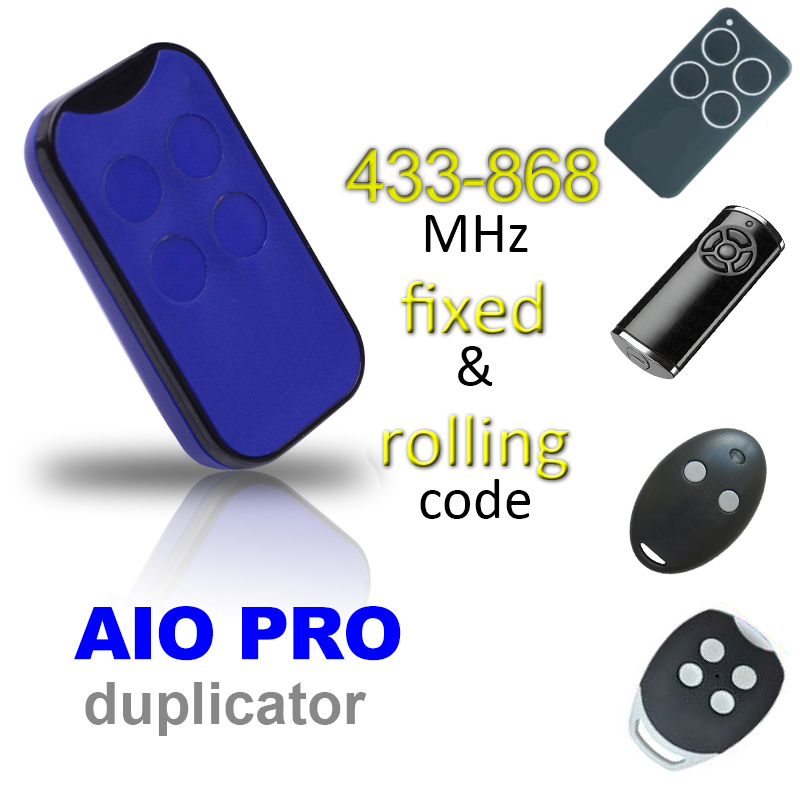
For homeowners, a garage door remote is invisible—until it stops working. For brands, contractors, and smart home integrators, it's a mission-critical accessory that must work flawlessly for years through extreme temperatures, humidity, rain, and daily use.
Why Garage Door Remotes Are a Different Category
Unlike TV remotes or general consumer electronics, garage door transmitters operate in a high-stakes environment:
- They must reliably communicate through brick, steel, insulation, and radio interference
- They're exposed to -20°C to 60°C temperature swings in a car visor or wall mount
- Security is non-negotiable—losing signal shouldn't mean losing a home
- They must coexist with (and often replace) legacy openers from LiftMaster, Chamberlain, Genie, Sommer, Craftsman, and dozens of regional brands
OEM vs. ODM: Which Path Fits Your Brand?
ODM customization is the most common starting point for brands entering this category. The manufacturer provides proven RF platforms and form factors; you customize:
- Logo and shell color (RAL color matching)
- Button count and labeling (1, 2, or 3 buttons for multi-door/gate setups)
- Key frequencies and protocols
- Visor clip, keyring, or wall-mount accessories
- Packaging and retail-ready blister packs
The Technical Decisions That Define Your Product
Frequencies & Protocols
This is the make-or-break specification. Garage door remotes are not interchangeable across regions or protocols:
|
Frequency |
Common Markets / Use Cases |
|
310 MHz |
North America (older Stanley, MultiCode) |
|
315 MHz |
North America (LiftMaster / Chamberlain Security+ 2.0) |
|
390 MHz |
North America (Genie Intellicode, older Chamberlain) |
|
433.92 MHz |
Europe, Latin America, APAC (wide compatibility) |
|
868 MHz |
Europe (Sommer, Hormann, BiDiBUS) |
Compatibility & Clone Capability
Many aftermarket remotes need to replace multiple OEM units. Look for a manufacturer that offers:
- Multi-protocol learning (auto-detecting and cloning existing transmitters)
- Dedicated chipsets like HCS301, HCS300, or generic learning-code ICs
- Support for fixed code 8–12 bit DIP switch configurations
- HomeLink and Car2U compatibility modules (for in-car integrated systems)
Range & Antenna Design
A remote that works only when you're in the driveway is a failed product. Your manufacturer should:
- Specify high-quality RF modules with tuned PCB antenna or external wire antennas
- Guarantee 50–100 meter open-air range (and 15–30 meters through residential structure)
Durability: Built for the Elements
Garage door remotes live on visors, in pockets, and on keyrings. Your BOM (Bill of Materials) should specify:
- Shell: UV-stabilized ABS or PC+ABS to prevent yellowing in hot cars
- Keypad: silicone rubber with 250,000–1 million actuation life rating
- Sealing: optional IP54-rated enclosures for gate/entrance use outdoors
- Battery: CR2032 coin cell (typical 1–2 year life) or A23 for higher-voltage transmitters
- Operating temperature: -20°C to +60°C minimum
Reputable factories run thermal cycling, drop testing, and button endurance as part of their QC process—ask to see the test reports.
Certifications That Open (or Block) Markets
Garage door remotes are regulated RF devices. The certifications below are non-negotiable:
- FCC Part 15 Subpart C — mandatory for US market (both transmitter and receiver modules)
- ISED / IC RSS-210 — Canada
- CE RED / ETSI EN 300 220 — Europe (includes SRD short-range device requirements)
- RoHS / REACH — EU environmental compliance
- RCM / ACMA — Australia / New Zealand
- TELEC / ARIB — Japan
Manufacturers that already hold these certificates on similar platforms can leverage modular approvals—significantly reducing your certification timeline and cost.
NRE, MOQs, and Lead Time Reality Check
Customizing a garage door remote involves several cost layers brands should budget for:
|
Cost Item |
Typical Range |
Notes |
|
Tooling (shell molds) |
$6,000 – $30,000+ |
One-time; depends on cavitation and complexity |
|
NRE / firmware / RF tuning |
$1,500 – $10,000 |
Higher for multi-protocol universal models |
|
Certification fees |
$3,000 – $15,000+ |
Per market, per product family |
|
Unit price (ODM base) |
$2.5 – $6.5 |
Depends on buttons, protocol, packaging, volume |
|
MOQ |
500 – 3,000 pcs |
Lower for rebranding, higher for fully custom |
Typical timeline from signed PO to mass production: 8–14 weeks, including sampling, tooling, pilot run, and certification.
Smart Upgrades That Modernize the Category
The garage door remote is converging with the smart home. Your manufacturing partner should offer an upgrade path:
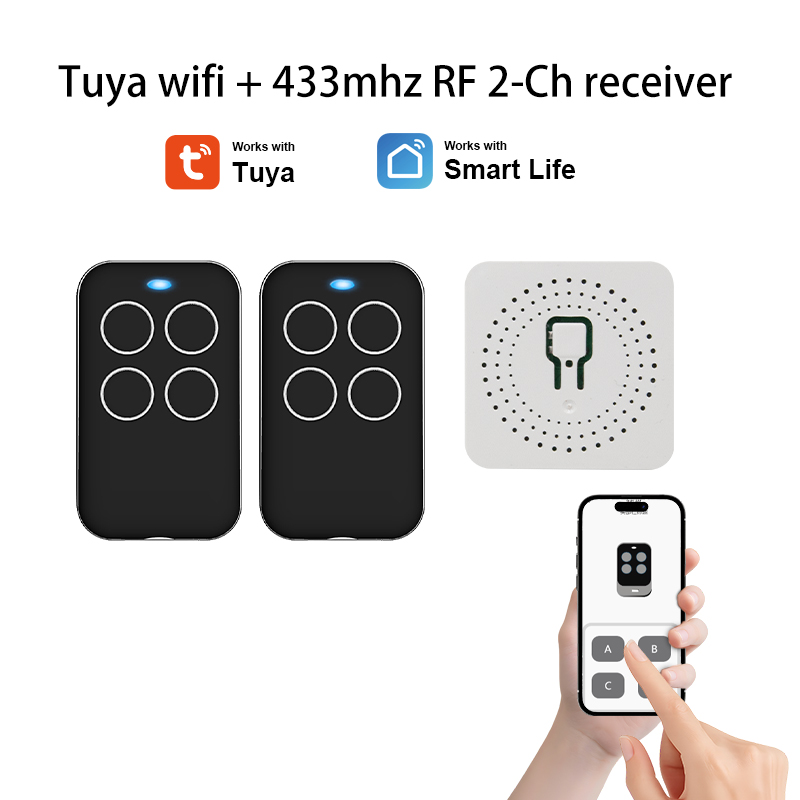
- Wi-Fi / BLE bridge devices that pair the existing RF remote with a smartphone app
- myQ / Tuya / SmartThings integration for app control and push notifications
- Keypad wall consoles with backlighting and temporary PINs
- Solar-powered or battery-less kinetic switches for gate and gate-entry use cases
These add-ons let you grow from a hardware accessory line into a connected product ecosystem.
Choosing the Right Partner
A factory that builds TV remotes will struggle with the RF security and environmental demands of garage door openers. Look for:
- A dedicated RF/wireless division with in-house antenna and firmware engineers
- Existing certifications on similar garage/gate remote platforms
- Demonstrated experience with rolling-code protocols and universal cloning
- Reliable end-of-line testing (every unit should be range-tested before packaging)
- Transparent component sourcing (no gray-market RF chips)
Final Takeaway
Garage door remote manufacturing sits at the intersection of security engineering, RF design, and consumer durability. Cut corners on any one of these, and you'll hear about it through returns, warranty claims, and bad reviews.
Done right—with the right frequency, the right protocol, the right certifications, and a partner who's shipped millions of units—your branded remote becomes a product people trust for a decade or more.
The best partner isn't the one who quotes the lowest unit price. It's the one who tells you which frequency your target market actually uses, catches your antenna design flaw in prototyping, and has the certifications already in place.Infrared Photocell Sensor Project Case Study
Smart Upgrades, One-Click Global Market Access: Tuya Controllers Redefine Lightweight Smart Control Solutions
Related Article